
Why It Matters More Than You Think
You’ve probably come across the term deliverability while navigating the world of email marketing. Maybe it popped up in a conversation with a colleague, or perhaps you saw it mentioned in a guide to improving your email campaigns. But here’s the thing: you might not fully understand what it means or why it’s so critical to your success. No worries, though – whether you’re familiar with the term or it’s completely new to you, you’re in the right place.
We’re diving into the nuts and bolts of email deliverability, and by the end of this blog, you’ll not only understand what it is but also why it could make or break your next email marketing campaign.
Let’s start with a simple question: What good is an email if it never gets delivered?
The Core of Deliverability: It’s All About Getting Your Emails to the Inbox
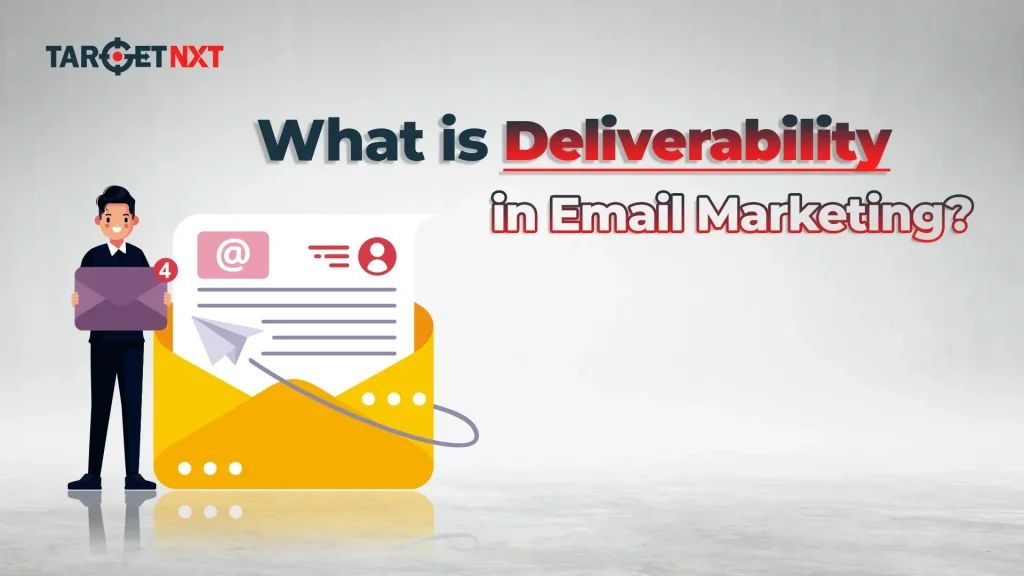
At its most basic level, email deliverability refers to the ability of your email to land in the recipient’s inbox—not the spam folder, not the promotions tab, but the actual inbox where it has the best chance of being opened, read, and acted upon. In a perfect world, every email you send would get to its intended recipient’s inbox. But in reality, a lot can go wrong along the way.
When we talk about email deliverability, we’re not just talking about whether or not your emails are delivered to a server. Instead, we’re concerned with whether they reach the recipient’s inbox where they can make an impact. A message might technically be delivered (i.e., it reaches the recipient’s email provider), but if it gets flagged as spam or filtered out by algorithms, it’s essentially useless to your marketing efforts.
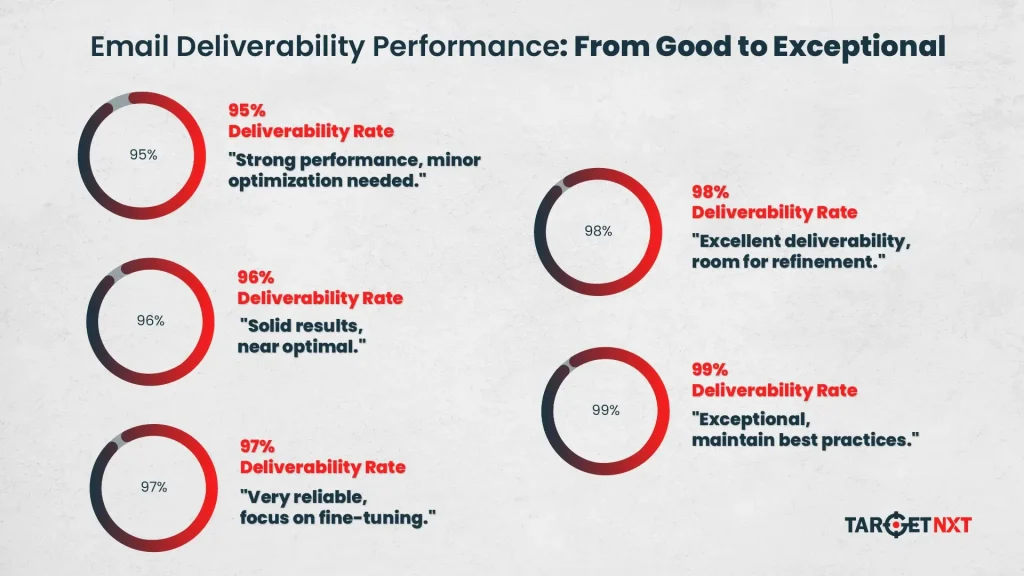
Always, good deliverability is more than 95%. If you want to do an email marketing campaign that has a good deliverability rate of 98%, check TargetNXT, and enjoy the most impactful experience like never before in your marketing campaigns.
Why Email Deliverability is Crucial to Your Marketing Success?
Imagine this: You’ve spent hours crafting the perfect email – eye-catching subject line, compelling copy, the works. You hit send, feeling confident. But then, you check your analytics. Open rates are dismal. Click rates? Even worse. You start to wonder: What went wrong?
Well, it’s possible that a significant chunk of your emails never even made it to the inbox in the first place. They may have been diverted to spam or blocked by a filter. The reality is that poor deliverability can drastically affect your email marketing results, including
a. Lower Engagement Rates
If your emails don’t get to the inbox, they can’t be opened, read, or clicked. This means your carefully curated content might never reach your audience, leading to low engagement.
b. Damaged Sender Reputation
Email service providers (ESPs) like Gmail, Yahoo, and Outlook keep track of how your emails perform. If too many of your emails are marked as spam or ignored, your reputation with these providers will suffer. This, in turn, can lead to even worse deliverability issues in the future.
c. Decreased ROI
If your emails aren’t getting through, your campaigns aren’t working as they should be, and you’re wasting your resources. The time, money, and energy you put into email marketing could all go down the drain.
d. Lost Trust and Credibility
If your emails end up in spam folders or are marked as junk, recipients may start to associate your brand with unwanted messages. This erodes trust and harms your long-term customer relationships.
What Affects Email Deliverability?
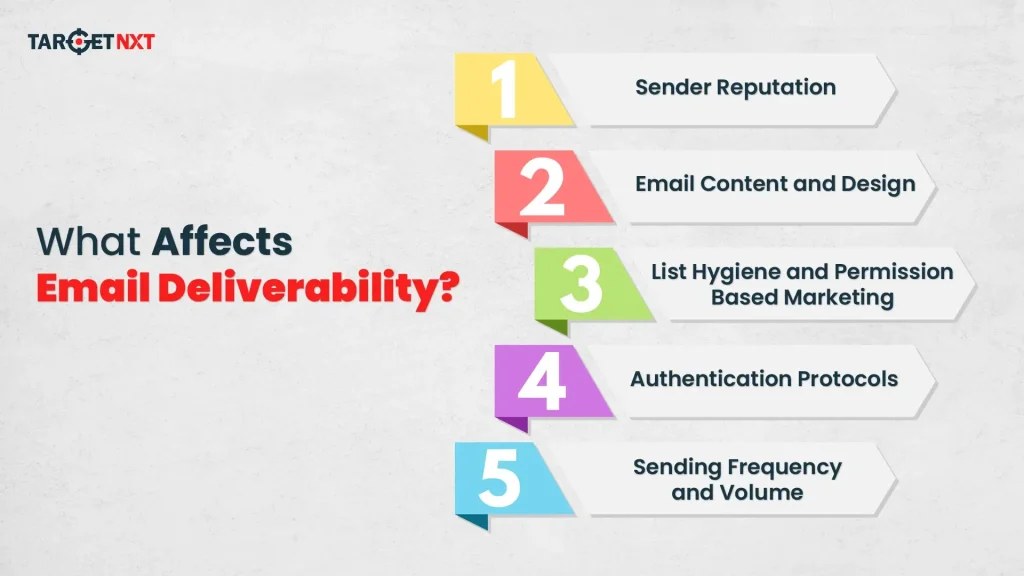
Now that we know why deliverability is important, let’s take a closer look at what factors affect whether your email actually lands in your audience’s inbox or gets tossed aside by the spam filters.
1. Sender Reputation
Your sender’s reputation is one of the most important factors affecting deliverability. It’s essentially a score that email service providers assign to you based on your sending history and behavior. The higher your reputation, the more likely your emails are to reach the inbox. Some key elements that impact your reputation include:
- Bounce Rate: If a high percentage of your emails bounce back (i.e., they don’t reach the recipient), it signals to ISPs (Internet Service Providers) that your emails may not be legitimate or that your list needs cleaning.
- Spam Complaints: If people frequently mark your emails as spam, it’s a red flag to email providers that your emails might not be wanted.
- Engagement Levels: The more recipients open and interact with your emails, the better your reputation will be. Low engagement, on the other hand, signals to email providers that your content may not be valuable or wanted.
2. Email Content and Design
Spam filters are sophisticated, and they look for certain signals in your email content to determine whether it’s legitimate or spammy. Here are a few things to keep in mind:
- Avoid spammy language: Words like “free,” “guaranteed,” and “urgent” can trigger spam filters, as they are often associated with malicious emails or scams.
- Proper formatting: Messy code or a poorly designed email may raise suspicions with ESPs. Always use clean HTML and test your emails before sending them.
- Use a plain text version: Including a plain text version of your email alongside the HTML version can help with deliverability, as some email clients prefer it and it looks less like spam.
3. List Hygiene and Permission-Based Marketing
A clean email list is key to good deliverability. Sending emails to outdated or purchased lists significantly reduces your chances of reaching the inbox. If you’re sending to invalid or inactive email addresses, you’re more likely to trigger spam complaints, resulting in lower reputation scores.
Moreover, only sending to recipients who have explicitly opted in to receive your emails is vital. Permission-based email marketing ensures that your messages are welcomed and that you’re not bombarding people with unwanted communications.
4. Authentication Protocols
Email authentication is a set of technical protocols used by ESPs to verify that your emails are coming from a legitimate source. These protocols – SPF (Sender Policy Framework), DKIM (DomainKeys Identified Mail), and DMARC (Domain-based Message Authentication, Reporting & Conformance) – are used to prevent fraudulent emails and improve your sender credibility. Setting these up ensures that your emails are properly authenticated and not flagged as suspicious.
5. Sending Frequency and Volume
Sending too many emails too quickly can raise alarms. If you suddenly ramp up your sending volume, ESPs may view you as a spammer or bot and block your emails altogether. It’s essential to gradually increase your sending frequency and maintain consistency.
Conversely, sending too few emails can also harm your deliverability. Email service providers like to see that you’re actively sending emails to a healthy list of recipients.
How to Improve Your Email Deliverability?
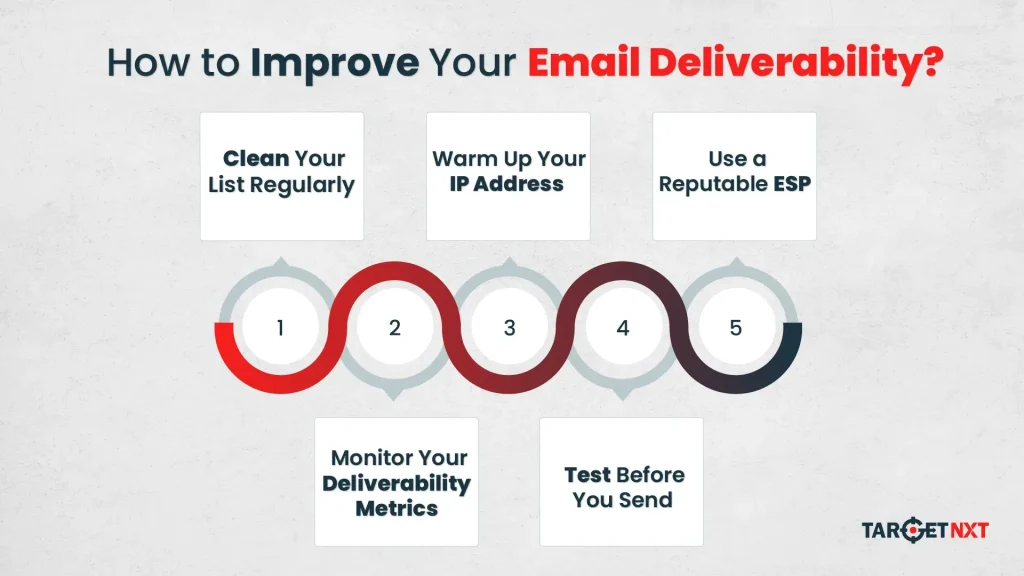
Now that you know the factors at play, here are a few actionable tips to boost your email deliverability:
- Clean Your List Regularly: Remove inactive subscribers, and ensure that all email addresses on your list are valid and opted in.
- Warm Up Your IP Address: If you’re sending from a new IP, gradually ramp up your sending volume. This helps build a solid sender reputation over time.
- Use a Reputable ESP: Choose an email service provider that has strong deliverability practices and offers tools for monitoring and improving deliverability.
- Monitor Your Deliverability Metrics: Keep an eye on your bounce rate, open rate, and spam complaint rate. If any of these metrics drop, investigate why and take corrective actions.
- Test Before You Send: Use tools like email testing platforms (Litmus, Mail-Tester) to check how your email performs across different platforms and whether it’s likely to get flagged as spam.
Conclusion: Why You Should Care About Deliverability
In the world of email marketing, deliverability is the foundation of everything you do. Without good deliverability, even the most well-crafted, perfectly timed emails are rendered ineffective. Getting your emails to the inbox is a critical step toward building relationships with your audience, boosting engagement, and driving conversions.
By taking the time to understand the factors that influence email deliverability – and actively working to improve them – you can ensure that your emails not only land in the inbox but also leave a positive, lasting impression on your recipients. So, next time you send an email, remember: the real battle isn’t just in the content – it’s in getting it delivered.
Now that you’ve got the lowdown on email deliverability, go ahead and put this knowledge into action.