
Understanding Email Suppression Lists
If you’ve ever dived into the world of email marketing, you know it’s a double-edged sword. On one side, there’s the potential for reaching hundreds, even thousands, of potential clients with just a click. On the other side, there are regulations, bounce rates, and, let’s not forget, the dreaded spam complaints. But fear not! One of your best allies in this journey is the Email Suppression List. Let’s explore what it is, why it matters, and how it can make your email campaigns soar. Ready? Let’s go!
Overview
Imagine you’ve just crafted the perfect email, filled with valuable insights, exclusive offers, and a sprinkle of personality. You hit “send,” but what if that email lands in the inbox of someone who has previously opted out or marked your emails as spam? Not only could it harm your sender’s reputation, but it could also lead to compliance issues. This is where the email suppression list comes in.
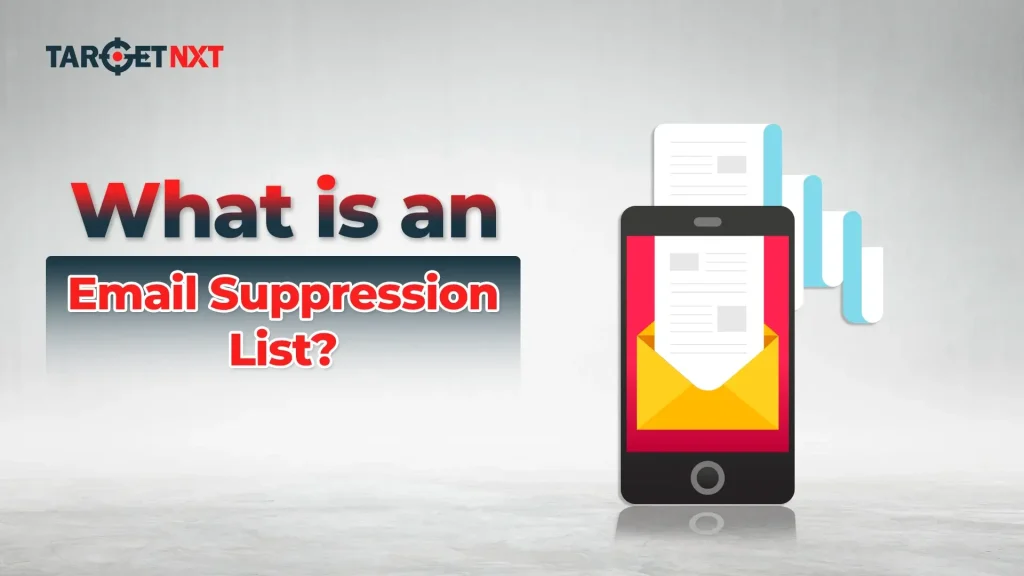
In simple terms, an email suppression list is a collection of email addresses that you choose not to send marketing communications to. This list is crucial for avoiding potential pitfalls in your email marketing strategy.
The Basics: Who’s on Your Suppression List?
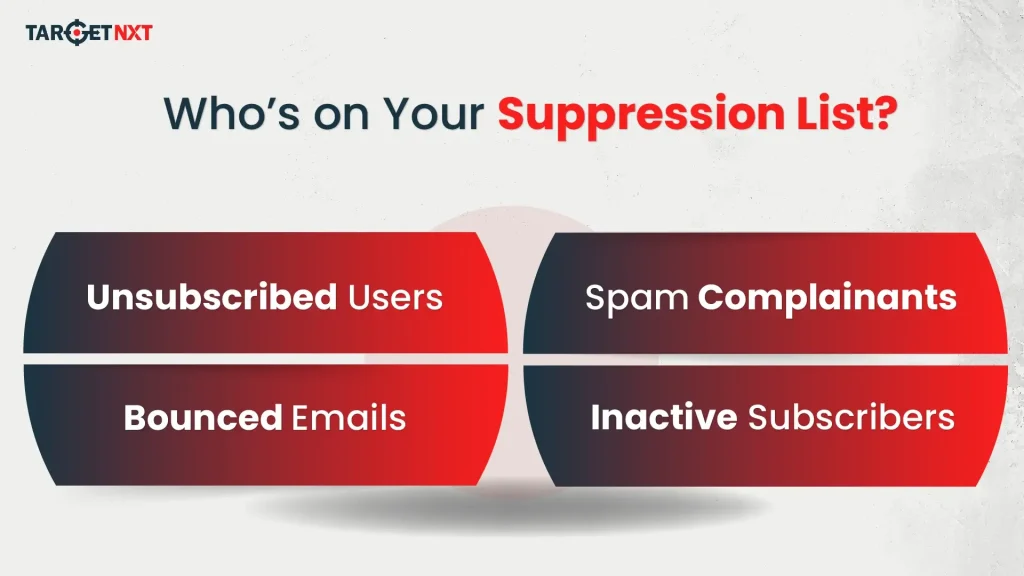
Your suppression list can include:
Unsubscribed Users: People who have explicitly opted out of your email communications.
Bounced Emails: Addresses that have resulted in a hard bounce, indicating they no longer exist or are invalid.
Spam Complainants: Recipients who have marked your emails as spam. This is a red flag you don’t want to ignore!
Inactive Subscribers: Those who haven’t engaged with your emails for a significant period–say six months or more.
By maintaining this list, you ensure that your emails are sent only to those who want to receive them, improving engagement and reducing complaints.
Why Are Suppression Lists Important?
You might be wondering, “Is it that big of a deal?” Absolutely! Here’s why:
1. Compliance with Laws and Regulations
With laws like GDPR in Europe and CAN-SPAM in the U.S., email marketing isn’t just about creativity; it’s about compliance. Failing to respect opt-outs can lead to hefty fines. Maintaining a suppression list helps you stay on the right side of the law and protects your business.
2. Improved Engagement Rates
When you send emails only to those who are interested, your open and click-through rates improve. This leads to better overall performance for your campaigns, ensuring you get the most bang for your buck.
3. Enhanced Sender Reputation
Email providers, like Gmail or Outlook, monitor your sending practices. If too many of your emails are marked as spam or bounce back, your reputation as a sender takes a hit. This can affect future deliverability. A suppression list helps you keep your sender score in check.
4. Cost-Effective Strategy
Sending emails to unengaged recipients is like throwing money out the window. By refining your audience with a suppression list, you save on costs and make your email campaigns more efficient.
How to Build and Manage Your Email Suppression List
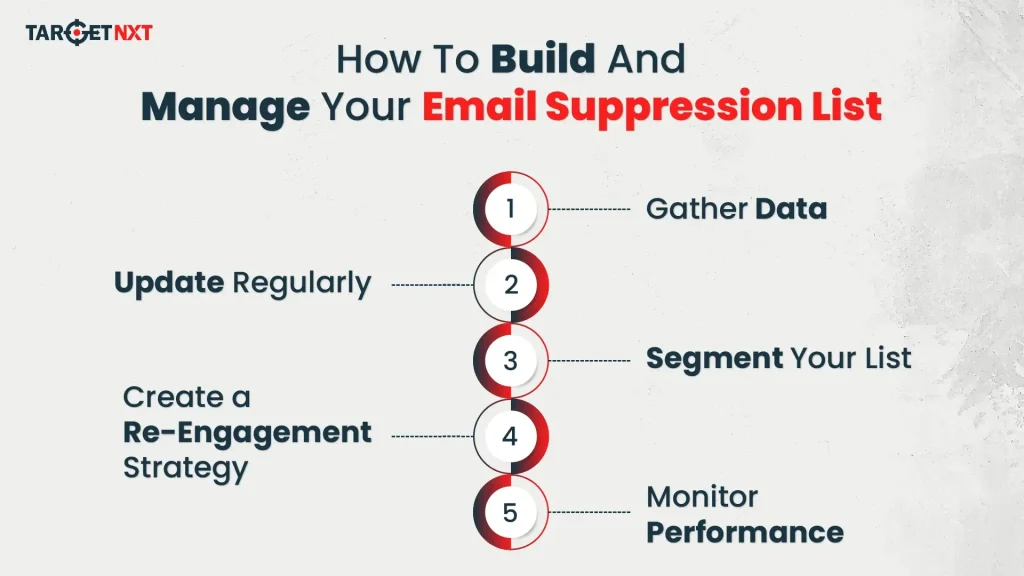
Now that you understand the importance, let’s dive into how to effectively create and manage your suppression list.
Step 1: Gather Data
Start by collecting data from your email marketing platform. Most platforms have built-in features to help you track unsubscribes, bounces, and spam complaints. Use these tools to compile your suppression list regularly.
Step 2: Update Regularly
Your suppression list isn’t a one-time project. Make it a habit to review and update it frequently—ideally, after every campaign. This ensures that you’re always targeting the right audience.
Step 3: Segment Your List
Not all suppression needs are the same. Consider segmenting your suppression list further. For instance, you might keep a separate list of inactive users who could still be nurtured back into your marketing funnel with a re-engagement campaign.
Step 4: Create a Re-Engagement Strategy
For those inactive subscribers, consider a gentle nudge. Craft a re-engagement email campaign to win them back. If they don’t respond, it’s time to let them go.
Step 5: Monitor Performance
Keep an eye on the metrics. Are your open rates improving? Is your bounce rate decreasing? Analyzing these data points will help you refine your strategy.
Best Practices for Using Suppression Lists
To truly harness the power of your suppression list, consider these best practices:
Be Transparent: When users opt out, ensure they understand why you’re adding them to your suppression list. Transparency builds trust!
Respect User Preferences: If someone opts out, honor that decision. Continuing to send emails could lead to spam complaints.
Keep It Clean: Regularly prune your list. If an address hasn’t engaged in over a year, it’s probably time to suppress it.
Engage with Value: For the recipients who are on your list, focus on providing value. Personalize your content and ensure it aligns with their interests.
The Bottom Line
In the fast-paced world of email marketing, maintaining an email suppression list is not just a best practice; it’s a necessity. By filtering your communications to reach only the most interested parties, you enhance engagement, ensure compliance, and protect your sender’s reputation.
So, what are you waiting for? Start implementing an email suppression list today and watch your email marketing efforts thrive!
If you have any questions or need assistance in refining your email lists, feel free to reach out. Happy emailing!