
Understanding Acceptable Bounce Rates for B2B Emails
In B2B email marketing, understanding bounce rates is the key. But what do you mean by “acceptable” bounce rate and why should you care? So, let’s get into all the intricacies of a bounce rate, how they impact your email campaigns, and maintaining a healthy bounce rate to keep your audience engaged.
What Is a Bounce Rate?
Let me clarify what bounce rates are before moving any further. By way of definition, a bounce means that you cannot reach the inbox of a particular recipient with a message. There exist essentially two categories of bounces:
Hard Bounces: Permanent Delivery Failures. The e-mail address no longer exists or is simply not a valid email. This is a brick wall completely blocking your messages.
Soft Bounces: Temporary issues, such as a full inbox or server problem. Traffic jams in other words—it is frustrating but can clear out on their own with time.
What Is an Acceptable Bounce Rate?
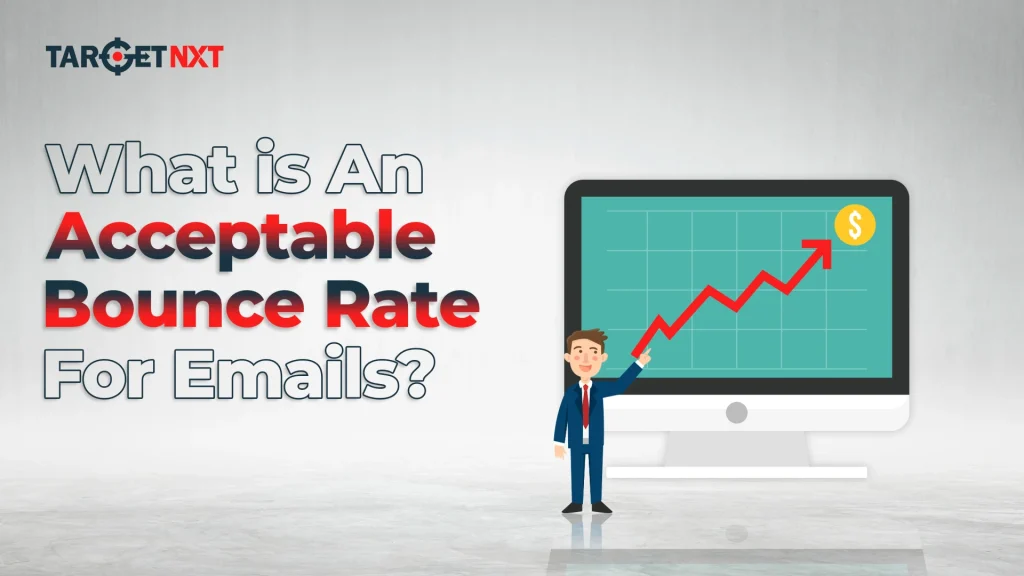
In the B2B space, an acceptable bounce rate typically hovers around 2% or lower. If you’re seeing a higher rate, it’s time to investigate. In general, the average bounce rate for email marketing campaigns is about 10.4%. For many industries, however, there are notable exceptions. For instance, repair and maintenance services achieve the lowest bounce rate at 4.9%, indicating strong interest and relevance in their emails. Retail sectors, including both brick-and-mortar and online stores, also see low bounce rates, suggesting effective engagement strategies.
For example, imagine this: you sent 100 invitations to your party but got back, say 20% with a stamped return envelope mentioning that “something is amiss.” Similar is the situation with your email. Your goal with email marketing is to bring you closer to your people. Therefore a bounce rate must be a low-enough one for you.
Why Bounce Rates Matter
Impact on Deliverability: Bounce rates are significantly impactful to your overall deliverability. Your ESP watches closely for bounce rates too. High bounce rates might have your emails landing up in their spam folder or even worse, get completely blocked. These might limit your reach and seriously hurt your marketing efforts.
Sender Reputation: It is kind of like a credit score in the world of email. A high bounce rate tends to impact this score negatively. That would mean that it would become difficult for messages to land in inboxes in the future if the score is adversely affected. Thus, it becomes essential to keep it in a healthy range to build and maintain its reputation.
Engagement Metrics: Bounces directly affect your engagement metrics. If your emails aren’t reaching your audience, you can’t expect them to open, click, or respond. However, successfully delivering emails strongly implies engagement in reaching your targeted audience.
How to Maintain an Acceptable Bounce Rate
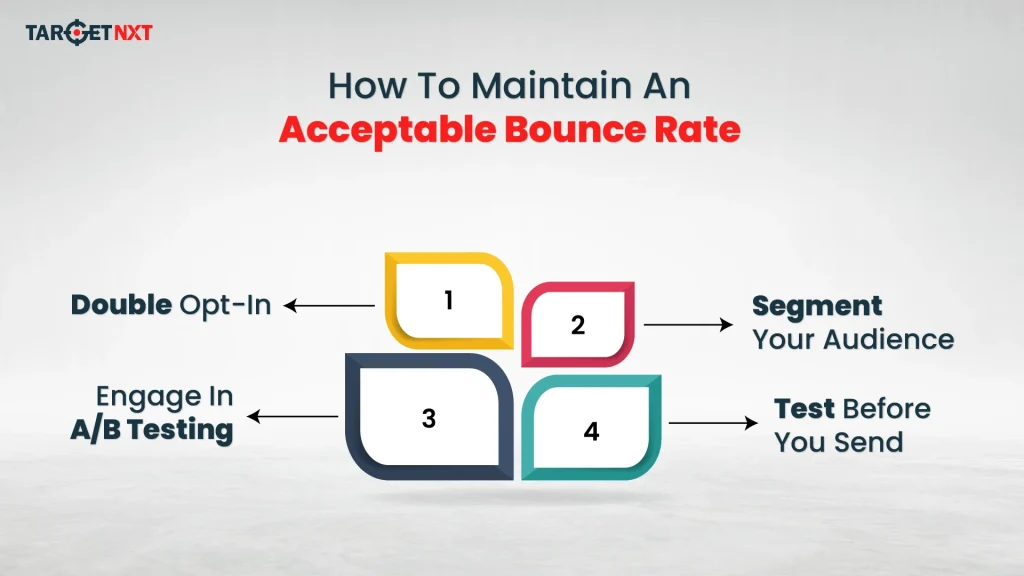
Regular cleaning of email lists is the best way to prevent high bounce rates. Remove invalid or inactive e-mails. Use tools that will authenticate the validity of an email before sending it out. A clean list is more likely to get your email open by engaged recipients.
1. Double Opt-In
This can greatly reduce bounce rates. In a double opt-in process, subscribers have to confirm their email addresses before they’re added to your list. This way, you only send messages to people who are interested in your content.
2. Segment Your Audience
Now, segmentation is not only the reserve of targeting; you can also help keep bounce rates healthy by targeting specific segments with specific content. Thus, by reaching out with relevant content, you make your readers engage more as well as lower the potential for bounces. As a result, such targeted activities will bring forth a deeper connection between you and your visitor.
Monitor engagement metrics, which include opens and clicks. If your metrics are declining, then you might need to change your content strategy. Interactive content engages the audience and keeps them interested.
3. Test Before You Send
Before launching a major campaign, send test emails to different email providers (Gmail, Yahoo, Outlook, etc.). This practice helps identify any potential deliverability issues and ensures your emails look good across various platforms.
4. Engage In A/B Testing
A/B testing will help you know what is of interest to your audience. Test different subject lines, content, and send times to determine what contributes to higher engagement. The more engaging your audience is, the lower your bounce rate will be.
Understand the Data Behind Bounces
Analyzing the bounce data gives you immense insight into the bounces. You might realize after a specific campaign, spikes in hard bounces tend to reflect the issues in your list-building methods or the quality of your data. However, if your soft bounces are relatively frequent, then there must be some problem with servers or temporary recipient problems.
Conclusion: Bounce Rates Are Your Guide
Bounce rates might seem like just another metric, but they tell a larger story about your email marketing efforts. By understanding what constitutes an acceptable bounce rate and actively working to maintain it, you can enhance your email campaigns, improve engagement, and build stronger relationships with your B2B audience.
Faith-based organizations and educational institutions maintain strong engagement, reflecting the value and interest of their content. Although consulting and financial services have slightly higher bounce rates, they still perform well, showing successful communication strategies in these fields.
Remember, every bounce is not just a number—it’s an opportunity for growth. With the right strategies, you can turn those missed connections into meaningful conversations. Let’s make every email count!